Top 10 Tips for Buying High Quality Construction Used Equipment
When it comes to the construction industry, investing in quality equipment is crucial for ensuring efficiency and reliability on job sites. Among the various options available, construction used equipment stands out as a cost-effective alternative to brand new machinery. However, navigating the used equipment market can be challenging, particularly for those who may not have extensive experience. Purchasing pre-owned machinery involves a unique set of considerations that can significantly impact the success of a construction project.
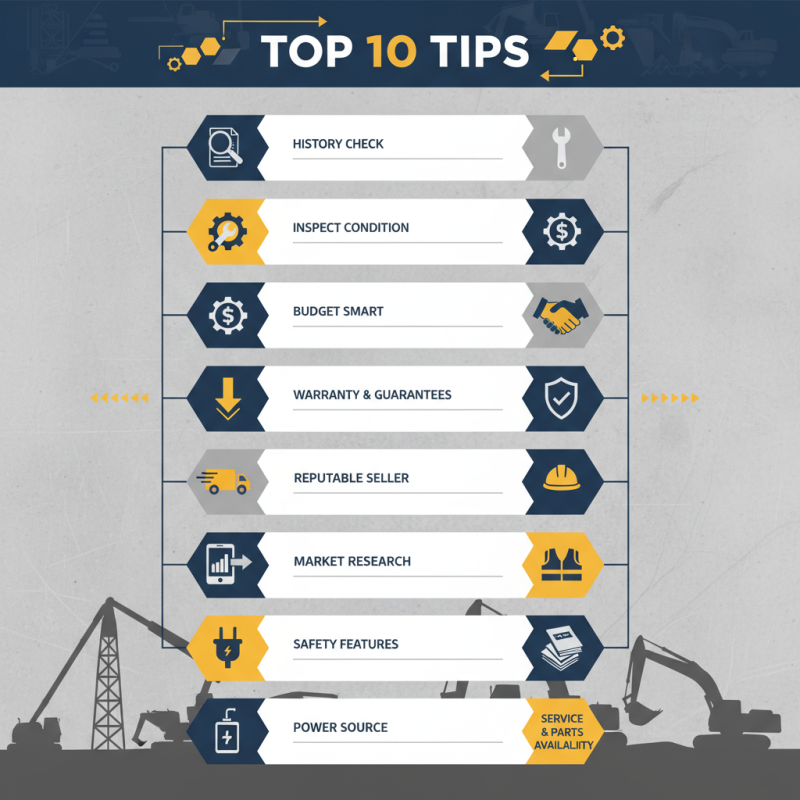
In this guide, we present the top 10 tips for buying high-quality construction used equipment that will help you make informed decisions and avoid potential pitfalls. From understanding the equipment's history to assessing its condition, each tip is designed to equip you with the knowledge necessary to secure machinery that meets your project requirements. Whether you're a seasoned contractor or a newcomer to the construction field, these insights will empower you to approach the used equipment market with confidence, ensuring that your investments contribute positively to your business's bottom line.
Understanding the Importance of Quality in Used Construction Equipment
When purchasing used construction equipment, understanding the importance of quality is paramount. According to a report by IBISWorld, the construction equipment rental and leasing industry generates over $40 billion annually in the United States alone. This staggering figure highlights the demand for reliable machinery, as low-quality equipment can lead to costly downtime and repair expenses. In fact, a study by the Equipment Leasing and Finance Association (ELFA) showed that equipment failures can result in delays costing an average of $1,000 per hour in lost productivity.
The emphasis on quality not only mitigates operational risks but also impacts overall project success. A survey conducted by Construction Business Owner revealed that 74% of construction professionals believe that high-quality equipment significantly enhances project efficiency. Investing in well-maintained used equipment can result in substantial savings and more reliable performance. Moreover, quality machinery tends to hold its value longer, providing a better return on investment when the time comes to sell or trade it in. By prioritizing quality in their purchases, construction businesses can ensure that their operations run smoothly and profitably.
Identifying Reliable Sellers for Second-hand Construction Machinery
When looking for second-hand construction machinery, identifying
reliable sellers is crucial to ensure the quality and longevity of your investment.
According to a report by the Association of Equipment Manufacturers (AEM), over
60% of contractors prefer buying used equipment due
to the significant cost savings without sacrificing quality. However, the challenge lies in navigating
the vast marketplace filled with both reputable dealers and potential fraudsters.
Reliability can often be gauged by checking the seller’s reputation through reviews and industry endorsements.
A trusted seller will have a track record of satisfied customers, a transparent return policy,
and well-documented equipment history.
Furthermore, certification plays a key role in the reliability of used machinery sellers.
The Equipment and Transportation Research Institute highlights that equipment that has
been regularly maintained and certified can reduce downtime by up to 20%.
Reliable sellers typically provide maintenance records and offer warranties, ensuring that buyers get
machinery that meets safety and operational standards. Engaging with sellers who are members of
industry associations can also provide an added
layer of trust, as these organizations often have strict guidelines that members must adhere to,
helping buyers make informed decisions.
Key Features to Evaluate When Inspecting Used Equipment
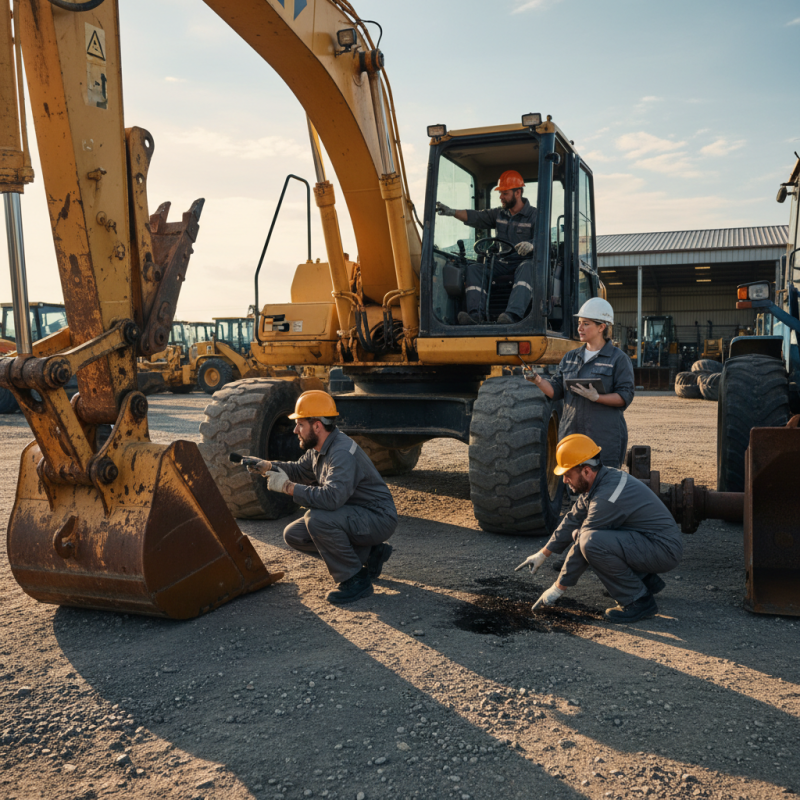
When inspecting used construction equipment, it is crucial to evaluate several key features that can significantly impact your purchase decision. First and foremost, check the machine's operational history, including hours of use and maintenance records. A well-documented history can provide insights into how the equipment has been treated over time, indicating potential issues that might arise. Additionally, look for signs of wear and tear, such as unusual noises during operation, leaks, or rust on critical components, which can suggest underlying problems.
Another essential aspect to examine is the condition of the major mechanical parts. Pay close attention to the engine, hydraulics, and undercarriage. The engine should start smoothly and idle evenly, while the hydraulics must operate without hesitation. Inspect the undercarriage for signs of excessive wear, as this can be costly to replace. Lastly, don’t overlook the importance of a thorough visual inspection of safety features. Ensure that all protective guards, lights, and safety labels are intact. These elements not only enhance operational safety but also reflect the overall care the previous owner took in maintaining the equipment.
Researching Market Prices for Fair Deals on Used Machinery
When venturing into the used construction equipment market, one of the most critical steps is researching market prices to ensure you secure a fair deal. Start by gathering data from multiple sources, including online marketplaces, auction sites, and dealer listings. This broad approach allows you to understand the average pricing range for specific models and conditions of equipment. Pay attention to factors such as age, usage history, and maintenance records, as they significantly influence the price. Additionally, consider consulting industry publications or reaching out to fellow contractors to gain insights on recent transactions.
Once you have a solid grasp of market prices, use this knowledge as leverage in negotiations. Be prepared to discuss similar sales and how they inform your understanding of fair value. If possible, obtain a detailed inspection report to highlight any potential issues, further solidifying your position during discussions. Remember, the goal is not just to find a bargain, but to invest wisely in equipment that meets your operational needs without compromising quality.
Market Prices for Used Construction Equipment
Warranty and Service Considerations for Used Construction Equipment
When purchasing used construction equipment, warranty and service considerations are critical factors that can significantly affect your investment. According to a recent industry report by EquipmentWatch, nearly 30% of construction companies reported facing unexpected repair costs on used equipment within the first year of ownership. This highlights the need for buyers to prioritize equipment that comes with a reliable warranty. Look for warranties that cover critical components and offer a duration of at least six months to one year, as this will provide crucial peace of mind during the early stages of ownership.
Additionally, service history is a vital aspect to evaluate. Research from the Association of Equipment Manufacturers (AEM) indicates that equipment with a documented service history is 25% less likely to require major repairs. When inspecting used machinery, request maintenance records to ensure the equipment was properly serviced. A well-maintained machine often not only performs better but also enhances resale value, making it a smarter investment for contractors looking to optimize their fleet efficiency.
Prioritizing both warranty coverage and service records can help mitigate future risks and facilitate a smoother acquisition process.