Essential Tips for Buying Construction Used Equipment?
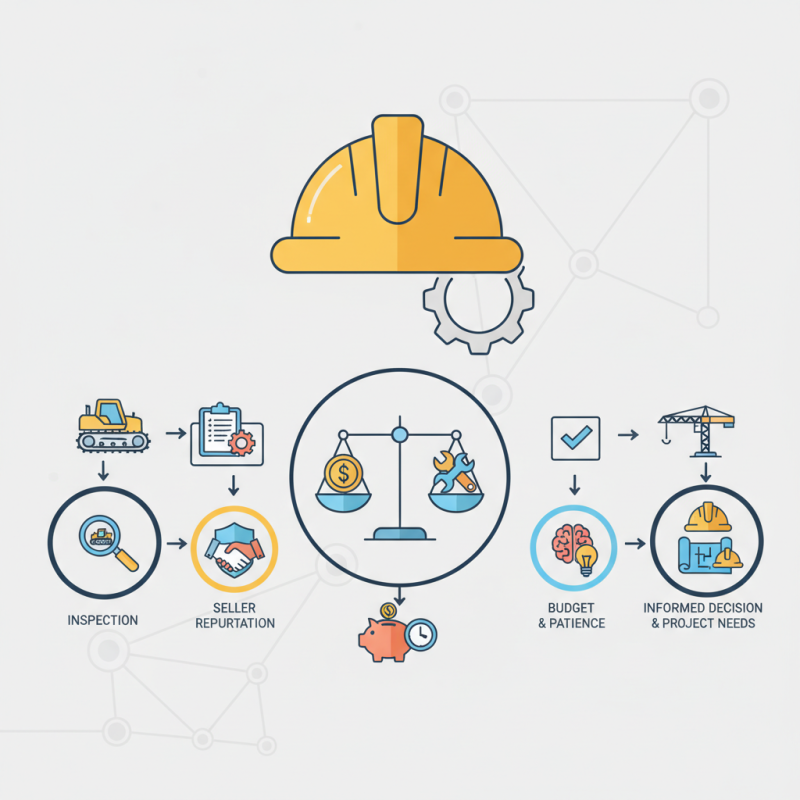
When it comes to investing in construction used equipment, making informed choices is crucial. This market offers a variety of options, but not all are worth the investment. Buyers often face challenges, such as determining the age and condition of the equipment. Inspection before purchase is essential. Many buyers overlook this step and later regret it.
Understanding the equipment's history can prevent unexpected issues. For example, a seemingly flawless machine may have hidden problems. Researching the seller's reputation is equally important. A dependable seller can provide valuable insights into the equipment's performance. Furthermore, don’t rush the buying process. Patience can lead to better deals. Shopping with a clear budget in mind helps to avoid overspending and regret.
Ultimately, it’s about finding the right balance between price and quality. Construction used equipment can save costs, but careful evaluation is key to success. Making hasty decisions without proper knowledge could result in costly mistakes. Consider all factors before finalizing any purchase. Ensure your investment will serve your project needs effectively.
Factors to Consider When Choosing Used Construction Equipment
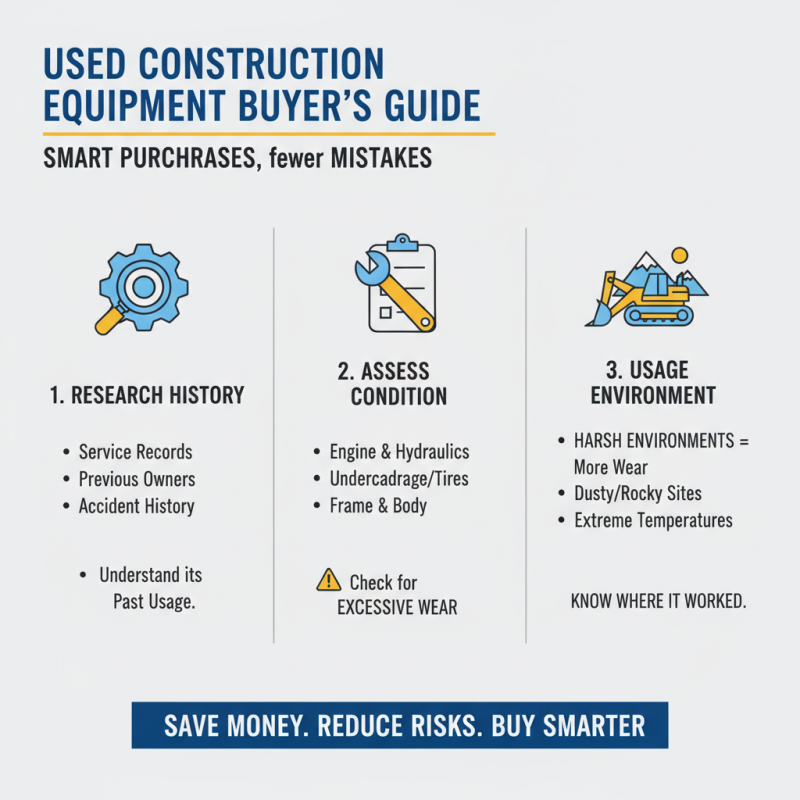
When purchasing used construction equipment, several key factors need to be considered. The condition of the equipment is paramount. Check for signs of wear and tear. Inspect hydraulic systems, tracks, and engines. A survey by the Association of Equipment Manufacturers (AEM) found that poorly maintained equipment can lead to costly repairs, often exceeding 25% of the original purchase price.
Understand the history of the equipment. Request maintenance records. These documents reveal how well the machine has been cared for. Data from Rental Equipment Register suggests that equipment with a clear service history retains more value. Being cautious about machines with a sketchy history is essential.
Tip: Always conduct a thorough background check. Assessing equipment before purchase can help avoid future headaches. Another crucial aspect is the market value. Compare prices across platforms and auctions. Buyers often overlook this, potentially overpaying by up to 15%. Consider factors like age, hours of use, and modifications. Remember, a well-researched decision can save significant costs down the road.
Assessing the Condition: Key Inspections for Equipment Quality
When buying used construction equipment, assessing its condition is vital. Consider starting with a visual inspection. Check for rust, cracks, and overall wear. Many buyers overlook signs of previous damage. For instance, a small crack can lead to major issues later. Reports indicate that over 30% of used equipment has unseen defects.
Another key aspect is to inspect the operational parts. Functionality tests can reveal problems not visible to the eye. For example, running the engine and checking for unusual sounds can be telling. Industry experts suggest that equipment maintenance history can help predict performance. A well-documented service record is a good sign of care.
Tip: Always request a maintenance log. It provides insight into the equipment's past. Additionally, don't hesitate to ask about any recent repairs. This information can influence your decision greatly.
Finally, consider hiring a professional inspector. They can identify issues you might miss. Data shows that nearly 40% of buyers invest in an inspection. This can save you from costly repairs down the line. Remember, every detail counts in ensuring you make a wise investment.
Understanding Equipment History and Usage Before Purchase
When buying used construction equipment, understanding its history and usage is crucial. You want to avoid costly mistakes. Knowing how the equipment was used can reveal its condition. For instance, machines that worked in harsh environments may have more wear and tear.
Look into the maintenance records. If an excavator has a good service history, that's a positive sign. However, if records are missing, proceed with caution. Ask about previous owners and usage patterns. Did it handle heavy loads or was it underutilized? Each detail matters.
Consider inspecting the equipment in person. Photos can be misleading. Pay attention to rust, leaks, or unusual noises during operation. These signs could indicate deeper issues. Always negotiate based on your findings. Don't rush into a decision; sometimes, walking away is the best option.
Evaluating Cost versus Benefits of Used Equipment Acquisition
When considering the acquisition of used construction equipment, understanding cost versus benefits is crucial. Analyzing upfront costs can unveil significant savings. A piece of used equipment may have a lower acquisition cost compared to new models. However, hidden expenses, like repairs and maintenance, can quickly add up. This balance is essential to evaluate before making a purchase.
Look at the machinery's condition and the brand’s reputation. A piece of equipment may seem inexpensive at first, but repairs could outweigh initial savings. Think about its operational hours as well. Machines with excessive use might have a shorter remaining lifespan. Realizing this can prevent regret later.
It's important to weigh the benefits against the perceived savings. Sometimes, the older equipment lacks the latest technology. This can affect efficiency and safety. Are you really saving money if you need to upgrade later? Assessing the true value necessitates thorough reflection on both current and future needs.
Essential Tips for Buying Construction Used Equipment - Evaluating Cost versus Benefits of Used Equipment Acquisition
| Equipment Type |
Purchase Price ($) |
Expected Lifespan (Years) |
Resale Value ($) |
Maintenance Cost per Year ($) |
Total Cost of Ownership ($) |
| Excavator |
50,000 |
10 |
20,000 |
5,000 |
30,000 |
| Bulldozer |
45,000 |
8 |
15,000 |
4,500 |
34,500 |
| Loader |
40,000 |
7 |
12,000 |
4,000 |
32,000 |
| Backhoe |
30,000 |
6 |
10,000 |
3,500 |
23,500 |
| Scissor Lift |
25,000 |
5 |
7,000 |
2,000 |
20,000 |
Where to Find Reliable Sellers of Used Construction Machinery
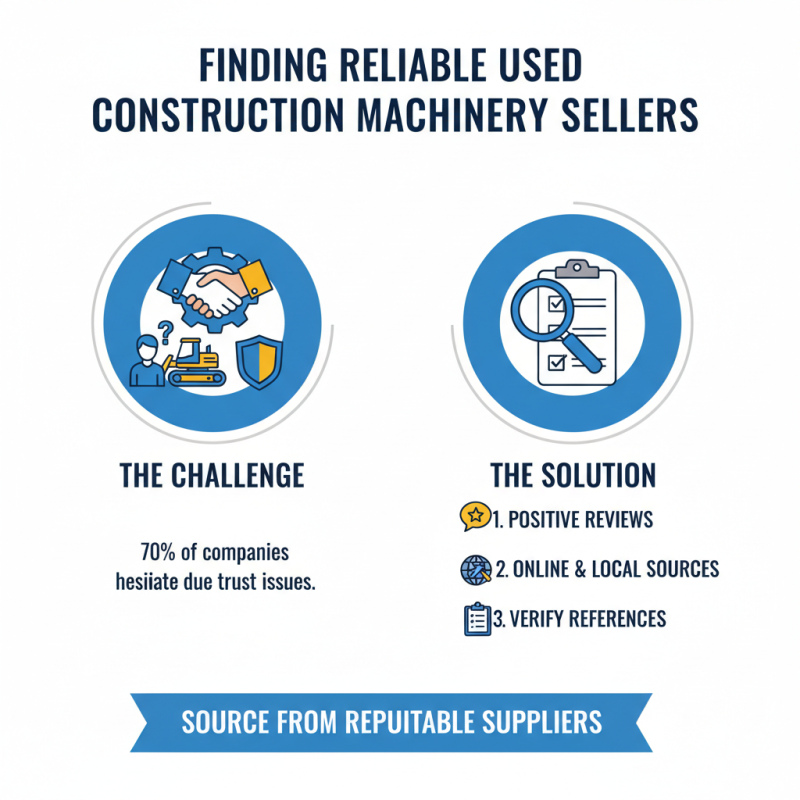
Finding reliable sellers of used construction machinery can be challenging. According to industry reports, nearly 70% of construction companies hesitate to buy used equipment due to trust issues. This highlights the importance of sourcing from reputable suppliers. Look for sellers with positive reviews. Check online marketplaces, forums, and local auctions. Verify the seller's credibility through references.
Inspect equipment thoroughly before purchasing. Look for visible wear and tear. Hours of operation can reveal much about the machine's condition. Always ask for maintenance records. A machine well-maintained is likely more reliable. If you notice inconsistencies in documentation, be cautious.
Consider the age of the equipment. Older machines may have outdated technology that can hinder efficiency. Newer models often come with improved features. Also, be aware of your budget. Sometimes, the cheapest option can lead to higher costs. Weigh upfront expenses against potential repair costs. Finding the right used equipment is a balance of price, quality, and reliability.