How to Choose the Right Link Belt Equipment for Your Construction Needs?
Choosing the right Link Belt equipment is crucial for any construction project. The construction industry remains a significant contributor to global GDP, accounting for about 13% in 2022, according to the World Bank. Selecting the appropriate machinery can greatly enhance efficiency and productivity on-site. Link Belt equipment has established a strong reputation for durability and reliability, making it a popular choice among contractors.
Understanding your specific needs is vital. Different projects may require diverse machinery, from excavators to cranes. A survey by EquipmentToday indicated that 75% of contractors considered equipment reliability as their top priority. However, many struggle with the selection process. It's not just about brand; it’s about matching equipment capabilities to project demands.
Reflection is essential in this decision-making stage. Evaluating past project outcomes can inform better choices. Look at equipment performance under similar circumstances. Sometimes, cost-cutting can backfire if it leads to equipment that doesn't meet job requirements. Ultimately, right Link Belt equipment boosts productivity, safety, and project completion timelines.
What is Link Belt Equipment and Its Role in Construction?
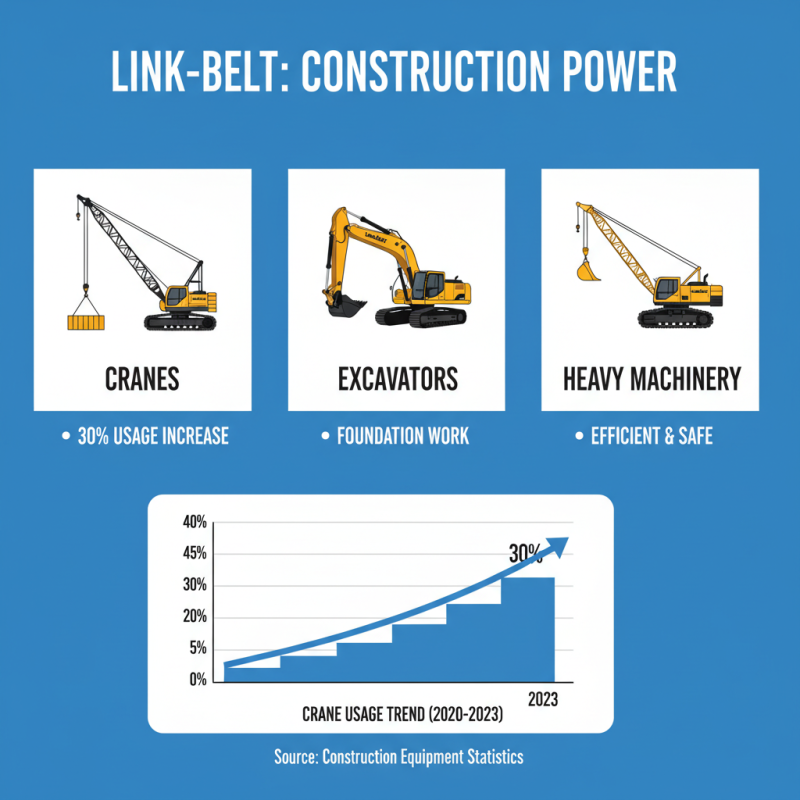
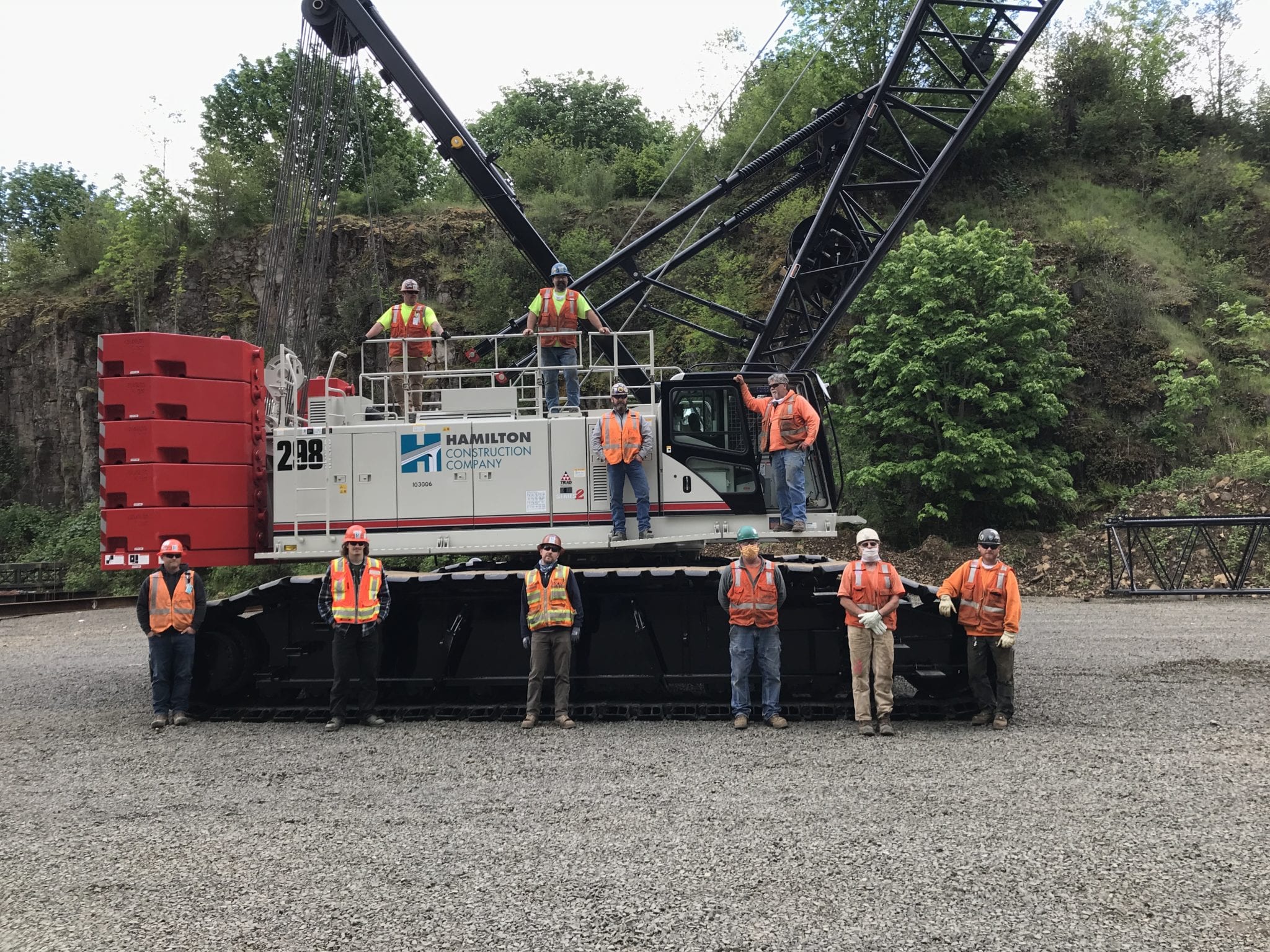
Link Belt equipment plays a significant role in construction. It includes cranes, excavators, and other heavy machinery. Builders rely on these machines for efficiency and safety. A report by the Construction Equipment Statistics shows that crane usage has increased by over 30% in recent years. This rise highlights the growing demand for specialized equipment in complex projects.
When selecting Link Belt equipment, consider the project's specific requirements. Different machines serve distinct functions. For example, a hydraulic excavator is ideal for digging, while a lattice boom crane excels in lifting heavy loads. A study by the Equipment Leasing and Rental Association found that approximately 75% of construction companies prefer renting equipment to purchasing it. This choice often reflects budget constraints and the need for flexibility.
The right equipment can boost productivity, but mismatches can lead to delays. Using the wrong machine for a task can compromise safety and efficiency. For instance, using a smaller crane for a heavy lift can cause issues. Understanding the roles of different machines is key. Yet, some operators may overlook proper training. This leads to mistakes that could have been prevented with adequate preparation. A notable percentage of job site accidents are linked to equipment misuse. Thus, thorough training remains crucial for safety and efficiency.
Understanding the Various Types of Link Belt Equipment Available
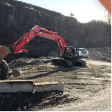
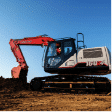
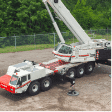
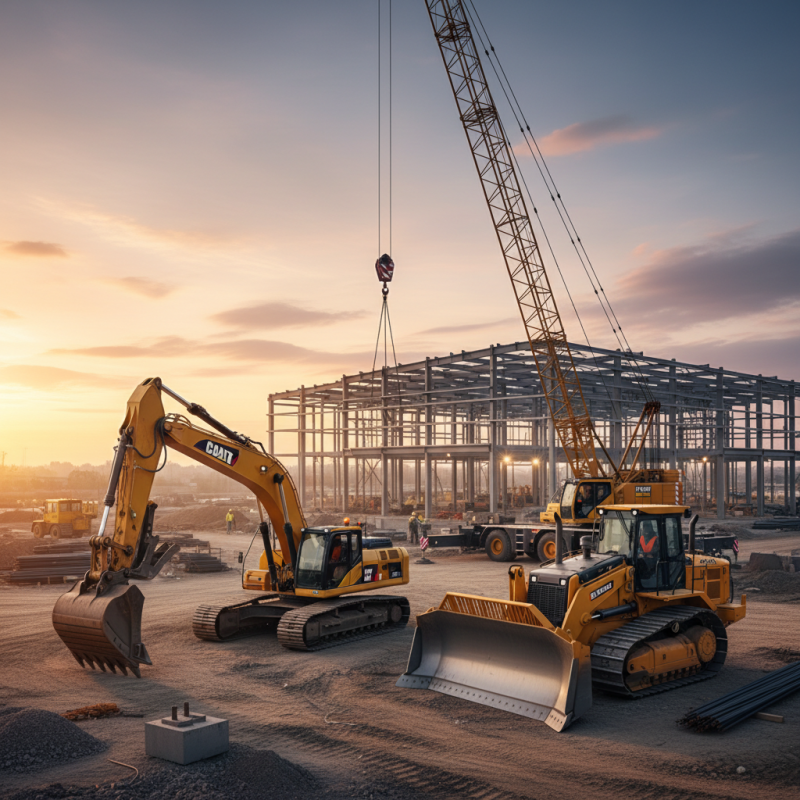
When selecting link belt equipment, it’s vital to understand the variety available. Each type serves unique purposes in construction. For instance, excavators are known for digging and moving materials. They can handle tough terrains but may struggle in tighter spaces. Cranes excel in lifting heavy loads. However, their setup can be time-consuming, which might delay projects.
Another important type is the bulldozer. These machines are excellent for grading and clearing land. Yet, they may not be suitable for delicate tasks. Consider also the telehandlers, which offer versatility in material handling. They provide height and reach, but their maneuverability can be cumbersome on uneven ground.
Choosing the right equipment can be daunting. Each piece has strengths and weaknesses. Assessing your project’s specific needs is crucial. Sometimes, a machine that seems perfect may not be the best fit once you analyze the site conditions. Remember to factor in the cost and the potential downtime while waiting for repairs. Each decision requires careful reflection on your unique construction demands.
Equipment Types for Construction Needs
Key Factors to Consider When Selecting Link Belt Equipment
When selecting the right equipment for construction, several key factors come into play. Think about the specific tasks you'll perform. Are you lifting heavy materials or digging foundations? Your equipment must match these needs. Consider the weight capacity and reach, as these dimensions affect how efficiently your team works.
Next, examine the terrain and environment. Will you operate in tight spaces or uneven ground? This decision can influence your choice significantly. Some machines excel in various conditions, while others might struggle. It’s essential to ensure your equipment can perform effectively where you plan to work.
Also, assess your budget and future maintenance needs. Equipment may have a lower upfront cost, but higher maintenance can add up. Consider the long-term impact of your choice. Seeking input from experienced operators can be helpful. They might point out features or drawbacks you haven't considered yet. Each piece has its quirks and limitations; knowing them can save you time and money.
How to Choose the Right Link Belt Equipment for Your Construction Needs?
| Equipment Type |
Max Lifting Capacity (tons) |
Boom Length (ft) |
Weight (lbs) |
Key Features |
| Hydraulic Truck Crane |
40 |
100 |
50,000 |
Versatile, All-terrain capability |
| Crawler Crane |
60 |
120 |
70,000 |
Stability on uneven ground, high lift height |
| Lattice Boom Crane |
80 |
150 |
90,000 |
High load capacity, excellent reach |
| Telescopic Crane |
50 |
80 |
40,000 |
Flexible reach, easy setup |
| Rough Terrain Crane |
45 |
90 |
49,000 |
Designed for rough ground, high mobility |
Analyzing Project Requirements and Equipment Specifications
When selecting link belt equipment for construction, analyzing project requirements is crucial. Identify the nature of your project. Are you working on a high-rise building or a road construction? Each task has specific needs. For instance, a report from the Construction Equipment Association notes that improperly matched equipment can lead to project delays by up to 30%. That's significant.
Consider the specifications of various equipment models. Look at load capacity, speed, and maneuverability. For example, a project requiring heavy lifting will need equipment with a higher load capacity. A detailed analysis from the American Society of Civil Engineers states that equipment choice can affect productivity by nearly 25%. If the wrong type is chosen, it may lead to inefficiencies.
Project location also matters. Rough terrains might need different equipment compared to urban settings. Weather conditions should also influence your selection. Equipment designed for wet conditions can prevent costly downtime. Research indicates that about 20% of construction delays are equipment-related. Make sure your choice fits not just the immediate tasks but also the environment.
Evaluating Cost Efficiency and Performance Metrics of Link Belt Equipment
When evaluating the cost efficiency of construction equipment, it’s crucial to consider both upfront costs and long-term performance. Many studies have shown that roughly 30% of total project costs are tied to equipment expenses. Therefore, selecting the right equipment can significantly impact overall budgeting. For instance, a study by the National Equipment Register highlights that choosing the right machinery can yield up to 20% savings in operational costs over time.
Performance metrics are equally important. Equipment that performs well can reduce downtime. This leads to a smoother workflow. A construction industry report indicates that machines with higher fuel efficiency can save companies approximately 15-25% on fuel costs annually. However, not all machines are created equal. Some may promise high performance but fall short in real-world applications. It's essential to scrutinize equipment ratings and real user feedback before making a purchase decision.
Maintenance must also be considered. Frequent repairs can erode cost savings. A well-maintained machine, though initially more expensive, can offer better value in the long run. A report from the Construction Industry Institute warns that delays due to equipment failures can cost construction companies thousands daily. It's vital to weigh these factors carefully. Decision-making should be based on comprehensive evaluations of both cost and performance.